

How Memphis Winters Lead to Mold, Mildew, and Algae on Homes
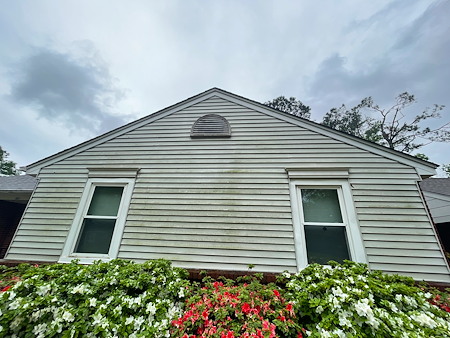
Memphis winters may be short, but they pack a one-two punch of chilly mornings and damp, mild afternoons. That mix lets moisture linger on siding, trim, and brick, creating a perfect setup for mold, mildew, and algae. When the growth settles in, paint fades faster, surfaces get slick, and curb appeal drops. That’s why many homeowners plan professional house washing as part of their cold-season care.
As a trusted Memphis pressure washing company, East Memphis Home Services helps homeowners across East Memphis, Midtown, Cordova, Germantown, and Collierville keep organic growth from taking over. Below, we’ll unpack how winter conditions cause the problem, where you’ll see it first, and the smartest timing to reset your exterior before spring pollen arrives.
Why Winter Conditions Fuel Growth In Memphis
Cold snaps alone don’t stop organic growth. In our region, winter still brings steady humidity, periodic rain, and long stretches of shade when the sun sits lower in the sky. Those patterns hold moisture on exterior surfaces and feed microscopic organisms that stain and spread.
- Cool, damp air lingers on north-facing walls that rarely see direct sun.
- Shorter days slow drying, especially under deep eaves and porch ceilings.
- Leaf litter and pine straw trap moisture against siding and brick ledges.
- Gutter drips, and downspout splash zones keep lower walls and walks wet.
Left alone, the film turns from light haze to visible green or black patches, then creeps along seams, caulk lines, and mortar joints.
What Mold, Mildew, And Algae Look Like On Your Home
Growth shows up differently on various materials. On vinyl, you’ll notice light green swirls that return fastest on shaded sides. On painted wood and Hardie-style siding, faint gray speckling deepens into patchy streaks. Brick and mortar can darken with stubborn blotches that cling to textured pores.
- Vinyl and aluminum: green streaks and chalky film near J-channels and trim.
- Painted wood or fiber-cement: gray spotting that spreads along lap edges.
- Brick and stone: dark blotches in mortar and on rough faces that hold moisture.
- Entry steps and walkways: slick patches where algae loves persistent shade.
In Bartlett and Lakeland, tall trees keep some lots damp for days after a shower. That’s why the same side of the same street can look spotless at one house and stained at the next.
How Moisture Moves Around Your Property In Winter
Water rarely hits just once and leaves. Wind-driven rain splashes under eaves and wicks into horizontal seams. Gutters that overflow even a little send narrow rivers down fascia and siding. Downspout outlets carve wet paths across patios and along foundations. When temperatures dip overnight, that thin moisture layer cools and rests on surfaces well into the morning.
These patterns explain why the worst patches often sit below elbows in downspouts, under porch lights, and behind shrubs where airflow is limited. Trim with tiny gaps and textured brick traps more moisture than smooth surfaces, so they darken faster.
Why Professional House Washing Solves The Problem
Organic growth bonds to residue that rain alone won’t remove. A professional soft wash uses a carefully mixed solution and low pressure to break that bond, lift the film, and rinse it away without damage. The method preserves paint and caulk, protects window seals, and reaches those hidden seams where growth hides.
Trying to blast stains with high pressure can scar siding, etch brick, and force water behind trim. A trained crew tunes the application for each surface and adjusts for winter’s shorter drying windows so you get an even, long-lasting reset.
Neighborhood Context Across Memphis
Every part of the metro has its own challenge. Midtown bungalows often show mildew on shaded porch ceilings. East Memphis ranch homes see green bands under long roof overhangs. Newer builds in Cordova and Arlington collect grime along entry columns where downspouts splash. Two-story homes in Germantown and Collierville can hold streaks under second-floor windows where wind swirls rain back onto the wall. The common thread is simple: lingering moisture plus shade equals growth.
The Right Time To Reset Before Spring
Memphis typically offers safe midday windows in winter for exterior cleaning. Clearing growth now makes spring maintenance easier because new pollen and dust have less residue to stick to. If you like pairing work with the seasons, this winter-focused read fits well with today’s topic: why pressure washing works in January. It explains how mild afternoons between cold snaps create ideal cleaning windows.
Planning also helps you avoid the scramble when warm weather returns. Many homeowners book winter or early spring visits so their exteriors start clean before peak pollen and rain cycles layer on more film.
Materials That Need Gentle Care In Cooler Weather
Not every surface should see the same process. Painted wood benefits from a soft wash that safeguards aging coatings. Vinyl and aluminum clean up fast with a gentle application that lifts residue without forcing water behind channels. Brick often needs a dwell time long enough to reach deep pores without harsh pressure that could damage mortar.
The right approach protects details like window seals, soffit vents, and decorative trim so your home looks refreshed rather than stressed.
Protecting Curb Appeal And Health
Growth isn’t just cosmetic. Spores and biofilm can affect air quality around patios and porches. Families gather on decks and front steps year-round in the Mid-South, so a cleaner exterior means a fresher, more comfortable space for everyone.
Why Memphis Winters Make House Washing Worth It
When growth is removed properly, cleaned surfaces stay brighter longer. Paint lasts closer to its intended life, and brick looks crisp without dark blotches. Entry walks and steps feel safer when algae is gone, and the surface is uniform instead of slick in patches.
Don’t wait for spring to tackle stains that winter already fed. A clean reset now helps your home resist the next round of grime and sets you up for an easier season ahead.
What To Expect When You Call East Memphis Home Services
Local knowledge matters. Our team schedules work during warmer parts of the day, sequences shaded areas to finish with the sun, and protects landscaping so you get a consistent, even clean. We’ve refreshed homes across neighborhoods from Eads and Lakeland to Bartlett and Piperton, always tuning the process to each property’s shade, drainage, and materials.

Articles & Tips
-
How Memphis Winters Lead to Mold, Mildew, and Algae on Homes
Memphis winters may be short, but they pack a one-two punch of chilly mornings and damp, mild afternoons. That mix lets moisture linger on siding, trim, and brick, creating a perfect setup for mold, mildew, and algae. When the growth settles in, paint fades faster, surfaces […]
-
You Don’t Have to Wait Until Spring: Why Pressure Washing Works in January
Memphis winters are short, and many January afternoons climb into the 40s and 50s. That’s a sweet spot for safe, effective pressure washing that removes algae, soot, and grime before spring pollen piles on again. With the right plan, January cleanings protect siding, concrete, and curb […]